Every Ethernet cable choice is a direct investment in your network’s efficiency, speed, and long-term flexibility. Whether it’s a smart home expanding into automation, a gaming setup demanding stable throughput, or an enterprise network handling high-volume traffic; the physical layer must be engineered with precision.
Ethernet cables aren’t Plain transmission lines; they determine frequency support, power capabilities, and signal integrity from end to end. This guide examines Ethernet cable categories through a technical lens, offering actionable insights aligned with both current bandwidth needs and future infrastructure planning.
Understanding Ethernet Cable Categories by Specification and Use Case
Each Ethernet cable category corresponds to a defined technical specification covering bandwidth capacity, data transfer speed, frequency range (MHz), and shielding architecture. The step up from Cat5 to Cat8 reflects an evolution in electrical performance and application scope, allowing users to scale their systems as their bandwidth needs grow.
Cat5 and Cat5e: Foundational Network Standards for Entry-Level Applications
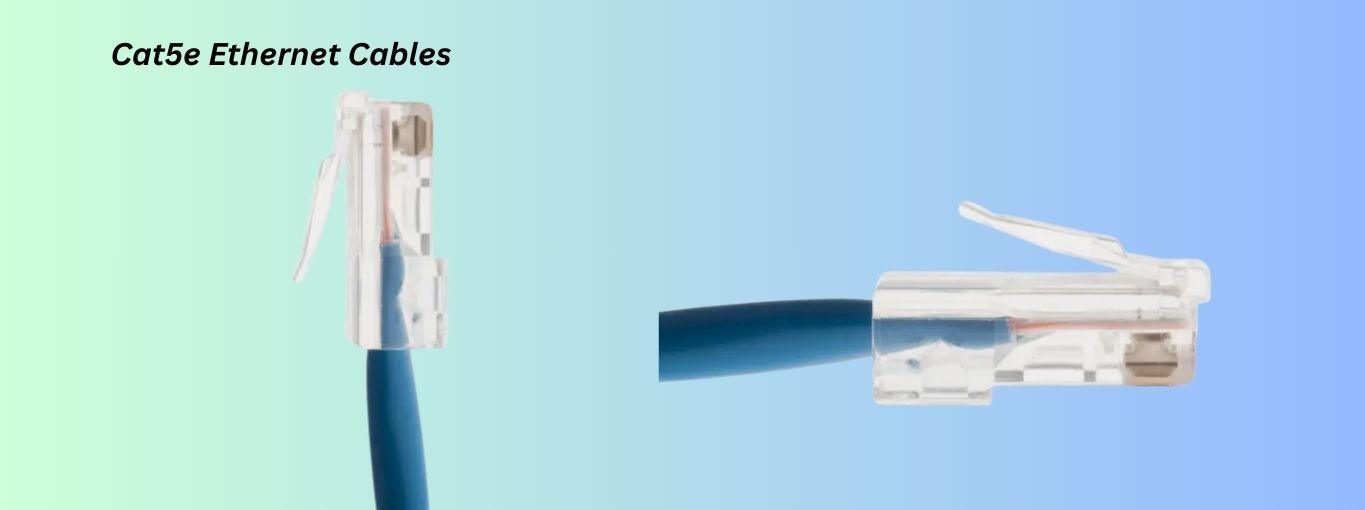
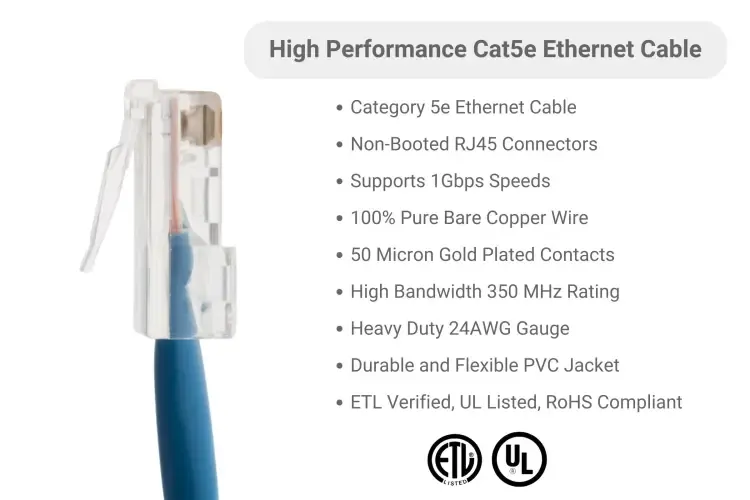
Cat5e continues to provide reliable performance in both home networking needs and entry-level commercial deployments.
Designed to support Gigabit Ethernet over standard 100-meter runs and rated for 100 MHz, Category 5e ensures stable data transmission for routine applications. It integrates smoothly with systems requiring PoE compatibility, making it a consistent option for structured cabling connected to printers, workstations, IP phones, and access points.
With a balanced pair design and UTP construction, it effectively maintains signal quality in environments with minimal electromagnetic exposure.
Practical Insight: In controlled environments with moderate bandwidth use, Cat5e cabling offers dependable performance. It’s still relevant in projects where budgets are constrained but functionality and RJ45 compatibility are required.
Stay connected without breaking the bank – shop Cat5e Ethernet cables for reliable everyday networking.
Cat6: Enhanced Performance for Growing Network Demands
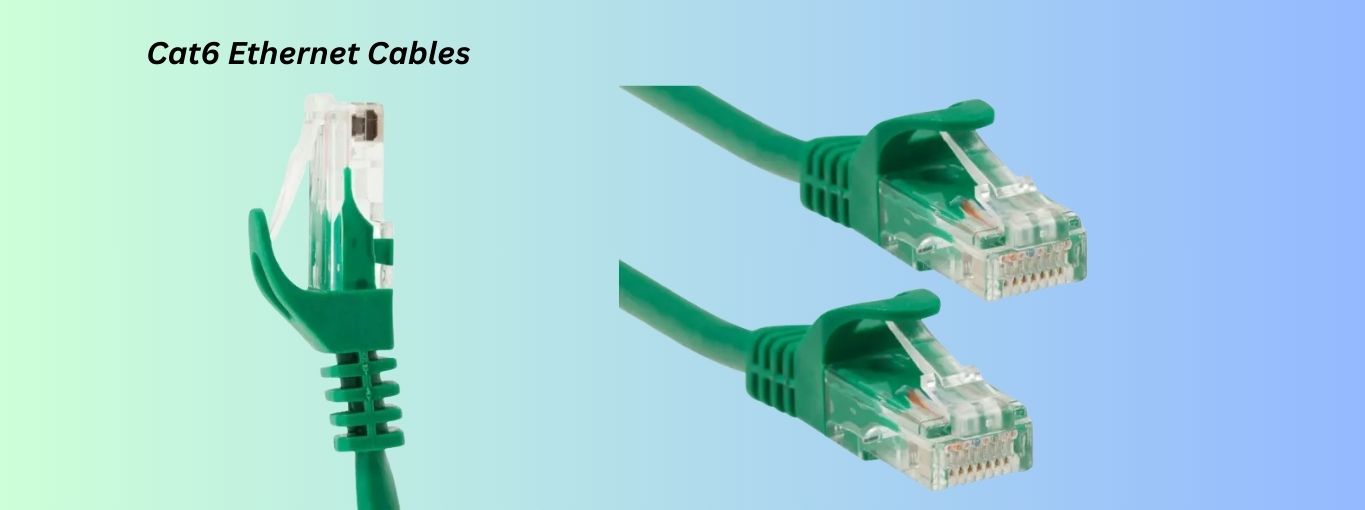
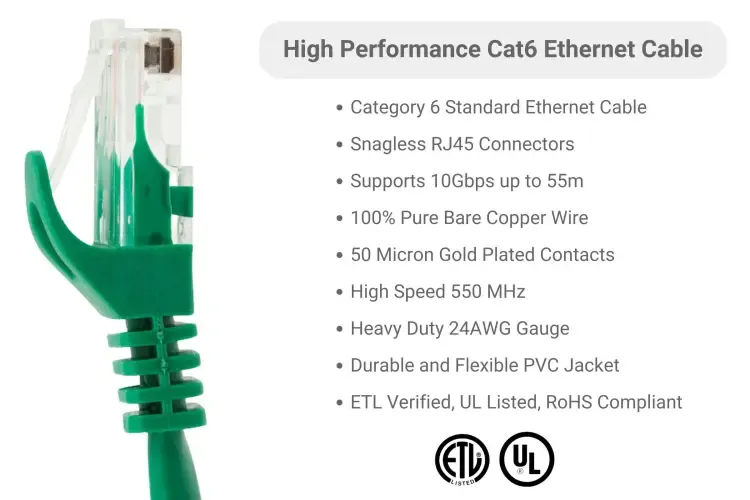
Category 6 cable is engineered for applications that demand stable data rates and clean signal transmission over copper.
With a rated frequency of 250 MHz, it handles 10 Gigabit Ethernet on links up to 55 meters and maintains Gigabit Ethernet performance across the full 100-meter run.
Its tighter twist ratio and enhanced internal design help reduce crosstalk between pairs to make it well suited for environments with higher traffic loads.
Practical Insight: Cat6 is often selected for environments where network activity involves frequent file transfers, large downloads, or low-latency usage like video conferencing and multiplayer gaming. It provides a dependable middle ground for users upgrading from basic gigabit infrastructure without jumping directly into shielded or high-cost cabling systems.
Upgrade to faster, cleaner data transmission – buy Cat6 Ethernet cables for superior performance and flexibility.
Cat6a: Network Longevity and Structured Cabling at 10G
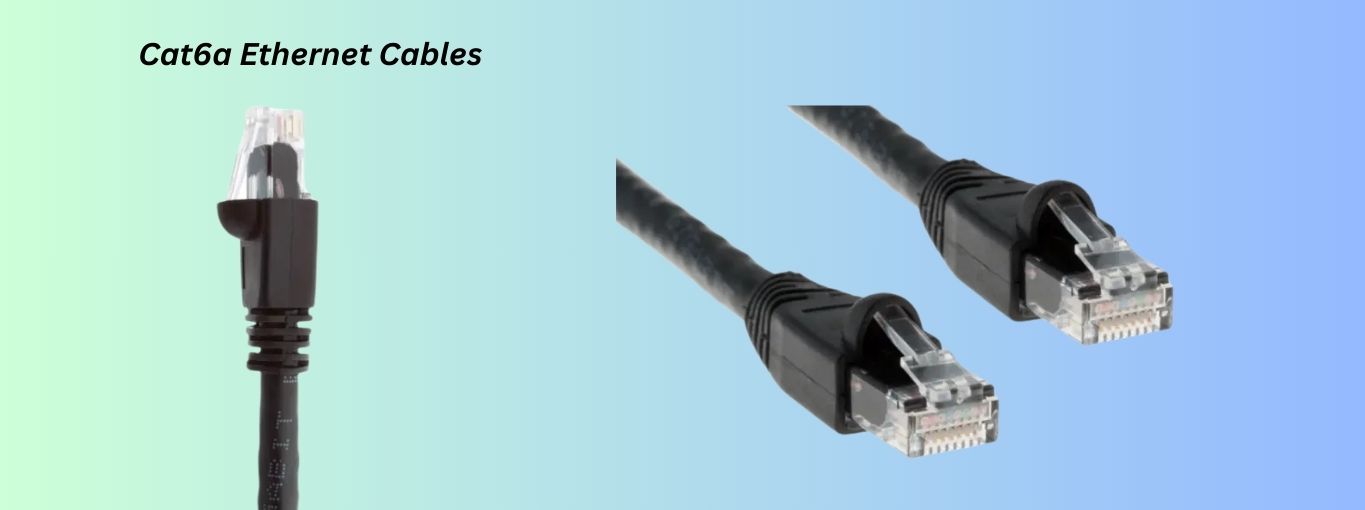
Cat6a delivers sustained 10 Gigabit performance across full-length channels, making it ideal for scalable structured cabling where bandwidth longevity and noise immunity are essential.
Rated at 500 MHz, Category 6a cable supports uninterrupted 10 Gigabit Ethernet across the full 100-meter channel. Its improved pair spacing and sturdy build offer strong protection against external interference and electromagnetic noise, especially in shielded setups.
Cat6a category is increasingly specified in structured cabling for wireless access points, core switches, and inter-floor horizontal runs where consistent signal integrity and PoE compatibility are mission-critical.
Practical Insight: For new constructions, server rooms, or commercial upgrades, Cat6a represents a future-resilient solution for users who need scalable bandwidth, long-distance performance, and high PoE compatibility across critical devices.
Future-proof your setup with Cat6a – order now for long-distance 10G Ethernet and top-tier PoE support.
Cat7 and Cat7a: Shielded Systems for Controlled Interference
Category 7 introduces shielding for each twisted pair and overall, enables strong suppression of external interference.
Cat7 cabling supports frequencies up to 600 MHz and utilizes an S/FTP architecture, which includes individual shielding around each twisted pair along with an overall braided shield.
S/FTP shielding configuration is engineered to suppress external crosstalk and block surrounding electromagnetic interference, making it highly effective in electrically noisy environments.
Cat7a builds on this structure by extending the operating frequency to 1000 MHz, providing greater signal headroom and enhanced stability in dense or interference-prone installations.
These cables are most often specified in environments where shielding continuity and high-frequency tolerance are essential.
Practical Insight: Cat7 and Cat7a are suited for specific network environments such as broadcast control rooms, mission-critical data zones, or facilities with heavy industrial equipment. Installers should plan for connector selection early, as these categories sometimes require shield-rated modular plugs and jacks for full compliance.
Cat8: High-Speed Aggregation for Data-Dense Environments
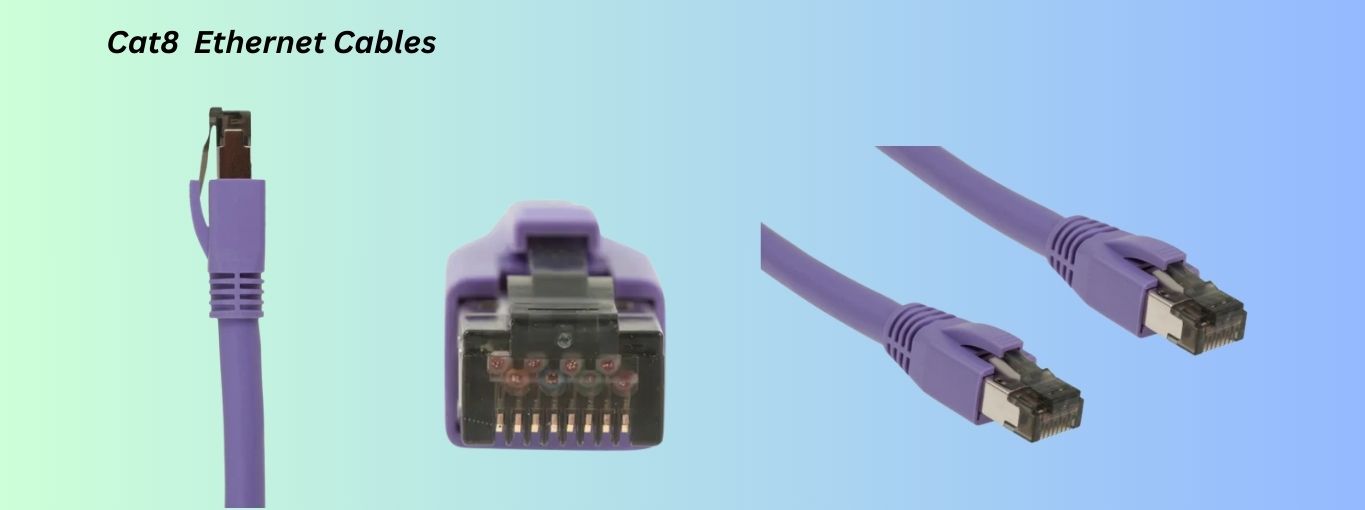
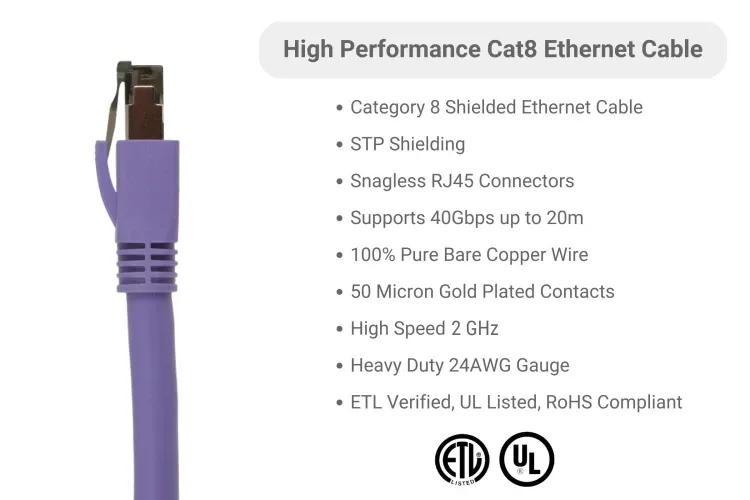
Designed for dense switching environments and rack-level interconnections, Category 8 cabling enables ultra-high-speed copper transmission over short distances.
It uses advanced shielding to maintain throughput and electrical performance.
Rated for up to 2000 MHz, Cat8 cabling is engineered to support 25 Gigabit Ethernet or 40 Gigabit Ethernet transmission over copper cabling of up to 30 meters. Additionally, designed with high class S/FTP shielding and a rigid outer jacket, Cat8 minimizes signal degradation under extreme throughput demands.
Despite its use of standard RJ45 connector compatibility, its mechanical characteristics and short-range limitations define its role in highly specialized segments of enterprise networks.
Typical deployments include top-of-rack switch uplinks, spine-to-leaf architectures, and compact server cluster interconnections within controlled rack environments.
Practical Insight: In network core environments with spatial constraints and intense data flow, cable Cat8 provides a copper-based alternative to short fiber runs. However, its 30-meter range restricts it to targeted deployments within the distribution layer.
Power your data center with lightning-fast speeds – order now Cat8 cables for 25/40G performance over short runs.
Comparing Bandwidth Capacity, Frequency Range, and Data Transfer Speed
One key difference between cable categories is their supported frequency bandwidth (in MHz) and the maximum data transfer speeds at standard lengths.
The higher frequency allows the cable to carry more bits per second through advanced encoding techniques, resulting in increased network throughput.
Here’s a summary of common Ethernet cable categories and their capabilities.
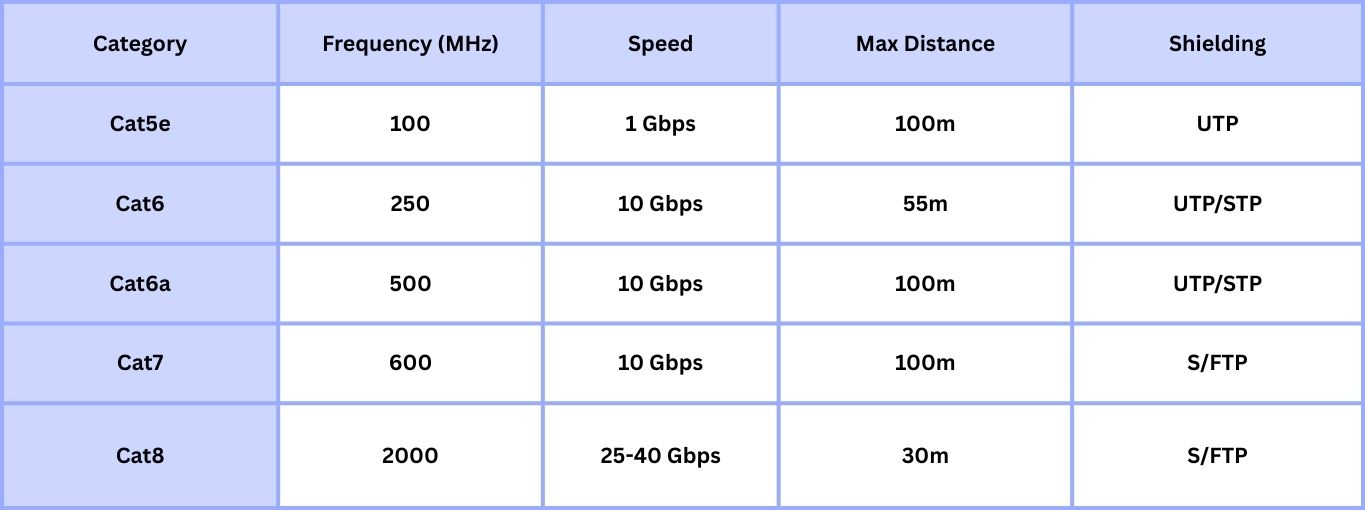
All standard twisted-pair Ethernet cables have a maximum length of 100 meters (328 ft) for their intended speed, due to signal attenuation. If you need to go beyond 100 m, you’ll require repeaters or fiber optic links to boost the signal.
Practical Insight: Also note that as speed increases, the maximum distance for that speed often decreases (as seen with 10G on Category 6 and 40G on Category 8). Always verify the rated distance for a given speed. Environmental noise can also affect cable length limitations, which is where shielding becomes essential.
Shielded vs. Unshielded: Choosing Based on EMI Sensitivity
The decision between shielded and unshielded Ethernet cabling must align with electromagnetic exposure and installation layout.
UTP cabling remains the standard for residential or light commercial environments with minimal EMI.
In contrast, STP and S/FTP configurations offer superior EMI protection and crosstalk reduction, ideal for industrial, laboratory, or elevator shaft deployments.
Practical Insight: Shielded cables require consistent grounding across all terminations. Integrators should use shield continuity testers and verify bonding at both endpoints, especially where cable trays intersect with high-voltage conduits.
Cable Length Limitations and Crosstalk Reduction Strategy
All copper Ethernet categories are limited to 100 meters at full-speed operation, except Category 8, which maxes at 30 meters.
As frequency increases, so does signal attenuation. Higher categories employ tighter twists, internal barriers, and shielding to combat crosstalk.
Practical Insight: Using a mix of horizontal cabling and patch connections, Infrastructure engineers can maintain compliance while extending infrastructure strategically. Testing for signal loss is recommended during high-frequency installations.
Connector Compatibility (RJ45) Across Cable Categories
From Cat5e through cable Cat8, most Ethernet cables utilize connector compatibility (RJ45). This ensures consistency across patch panels, keystone jacks, and networking hardware, reducing system-level complexity.
Practical Insight: IT professionals should confirm that all endpoint connectors match the cable category to avoid signal degradation. Backward compatibility simplifies upgrades in phased deployments.
PoE Compatibility and Thermal Stability
With increasing use of powered devices, PoE compatibility is no longer optional.
Cat5e supports basic PoE, but Cat6, Cat6a, and above are preferred due to lower resistance and superior heat dissipation.
Practical Insight: Surveillance, access control, and smart lighting systems benefit from higher PoE classes. Cable bundling standards should be followed to avoid thermal issues during continuous power draw.
Network Upgrade Considerations and Cost per Foot
Installation labor typically surpasses cable cost, so choosing the right category upfront delivers long-term value.
Higher-category cables like Cat6a or Cat7 add minimal per-foot expense but offer superior bandwidth longevity.
Practical Insight: Cost-per-foot analysis should factor in not just raw material pricing but also downtime, maintenance risk, and the financial impact of future recabling.
Future-Proofing Networks with Enterprise Infrastructure in Mind
Organizations implementing enterprise infrastructure should prioritize cabling systems that exceed current demand.
With cloud migration, increased device density, and high-throughput applications, long-term planning is critical.
Practical Insight: Standardizing on Cat6a cable or higher ensures compatibility with next-generation access points, storage, and virtual desktop solutions across the enterprise.
Home Networking Needs for Smart Living Environments
Modern homes require infrastructure that supports simultaneous streaming, gaming, video conferencing, and IoT management.
Ethernet cabling with enhanced shielding and bandwidth margin delivers the most stable performance.
Practical Insight: For households transitioning to smart ecosystems, structured cabling with Cat6 cable or Cat6a enables consistent performance across gaming consoles, security systems, and wireless backhaul nodes.
Gaming Performance Through Wired Stability
Competitive gamers require unwavering connection stability.
While wireless may introduce latency or jitter, a wired connection through the right Ethernet cable minimizes packet loss.
Practical Insight: Category 6 cabling combined with multi-gig routers and low-latency switches ensures optimal gaming performance. Prioritize shielded patch cables near GPUs and gaming motherboards to reduce signal disruption.
Final Recommendation: Match Category to Environment and Ambition
Selecting the right Ethernet category involves understanding your current bandwidth ceiling, environmental constraints, and projected growth. From home networking needs to enterprise infrastructure, each cable type delivers specific value.
Choose Category 5e cable for foundational requirements. Move to Cat6 cable for gaming, prosumer hardware, and file-heavy environments. Adopt Cat6a for future-proofing and structured installations. Deploy Cat7 or Cat8 for highly specialized or EMI-sensitive use cases.
Evaluate your environment, plan for scale, and invest in structured connectivity with longevity in mind.
Additional Learning Center Resources
- Mastering Network Cable Management: Overcoming Challenges with Top Solutions and Products
- Understanding HDMI Types & Specifications
- What Are Console Cables?
- From Installation to Optimization: The Complete Data Center Cabling Guide
- What is a Direct Attach Copper (DAC) Cable? Common Types And Uses
- The Ultimate Guide to Different Types of Computer Cables: What You Need to Know