Network failures in industrial environments rarely begin at the switch. They often start in the cable itself. Issues like dropped camera feeds or unstable PoE sensors frequently trace back to degraded jackets. These jackets slowly deteriorate due to oil mist, chemical vapors, or acidic exposure.
Choosing the right Oil & Chemical Resistant Ethernet Cable is not a minor decision. It plays a critical role in preventing downtime and protecting infrastructure.
Most cable failures in chemical-heavy settings result from long-term exposure. Chemical vapor, heat, and humidity combine to break down jacket materials and corrode conductors.
This guide helps you select Ethernet cables that remain reliable in tough industrial zones. These include trays exposed to solvents, machinery splashed with grease, and rooftops facing both heat and moisture.
Chemical-Resistant Cable Jackets: The First Line of Fluid Defense
The cable jacket is often the first point of failure. Standard PVC jackets crack, bubble, or soften when exposed to oils, lubricants, alcohols, or acid vapors. Once this happens, moisture and chemicals reach the insulation, shielding, and copper core.
Oil and Chemical-Resistant Ethernet Cables use better materials:
- Polyethylene (PE) resists moisture, chemicals, and UV exposure.
- CMP-rated plenum jackets provide fire safety and chemical durability.
- Gel-filled or water-blocking designs prevent vapor ingress and internal corrosion.
There are two key oil resistance levels:
- UL Oil Res I handles limited oil contact.
- UL Oil Res II tolerates prolonged oil exposure and higher temperatures.
Cables used in chemical environments should meet Oil Res II or use gel-filled, shielded construction with PE jackets. More teams now specify cables that already include these traits by design, like the gel-filled, shielded bulk cables stocked by CablesAndKits.
A high-quality jacket protects the entire network. It blocks environmental damage before it can reach internal components.
TPE and LSZH Ethernet Options: Balancing Safety with Durability
Not all chemical risks are outdoors. Many labs, food plants, and industrial spaces use harsh cleaning agents or alcohol-based sprays. Some applications require fire-rated cables that still resist chemical degradation.
Experienced professionals working in fire-sensitive zones often choose pre-certified LSZH and CMP-rated cables that hold up under chemical load, like the plenum cables maintained by CablesAndKits:
- Low Smoke Zero Halogen (LSZH) jackets reduce toxic fumes in case of fire.
- CMP-rated plenum cables meet strict flame tests while resisting chemical exposure.
- Solid copper conductors and shielding maintain performance in high-interference zones.
These cables are preferred in facilities with flammable materials or enclosed spaces. They combine data integrity with fire safety, even in chemically active areas.
Choose jacket materials that protect people as well as network performance in fire-sensitive, chemical-rich areas.
Cables for Refineries: Why Oil Resistance Alone Isn’t Enough
Refineries and chemical sites pose multiple risks. These include hydrocarbon vapors, salts, and acidic runoff. In these environments, ordinary cables do not last.
To work reliably in refineries, Chemical and Oil Resistant Ethernet Cables must include:
- Shielding to prevent EMI from motors and variable frequency drives.
- Gel-filled or waterproof barriers to stop chemical vapor migration.
- CMX or CMP-rated jackets to prevent jacket cracking and fire spread.
- Pure copper conductors to resist corrosion and support stable data rates.
That’s why smart teams are quietly standardized on CK’s outdoor-rated burial cables, engineered to meet refinery-grade specs without shortcuts.
Corrosion-Resistant LAN Cabling: Protecting Copper, Shielding, and Performance
Chemical vapors can damage cables over time. Even minor cuts or weak seals allow chemical vapors to travel inside. This leads to copper oxidation, signal reflection, and rising bit errors.
More field engineers today rely on cables designed to prevent these failures, not by accident, but by construction. CablesAndKits stocks builds that align with that mindset:
- Gel-filled cores that block chemical moisture and vapor migration.
- Shield-to-connector grounding for stable EMI protection.
- Solid copper wiring with RoHS compliance for a clean signal and chemical resistance.
These construction methods prevent long-term performance loss. That reduces maintenance and improves reliability in high-risk areas.
Use Case-Based Cable Recommendations
Selecting the correct Oil & Chemical-Resistant Ethernet Cable depends on where and how it will be used. Here are CK’s four deployment-ready options designed to address real environmental demands without compromise:
- For Harsh Outdoor Refineries and Burial Runs
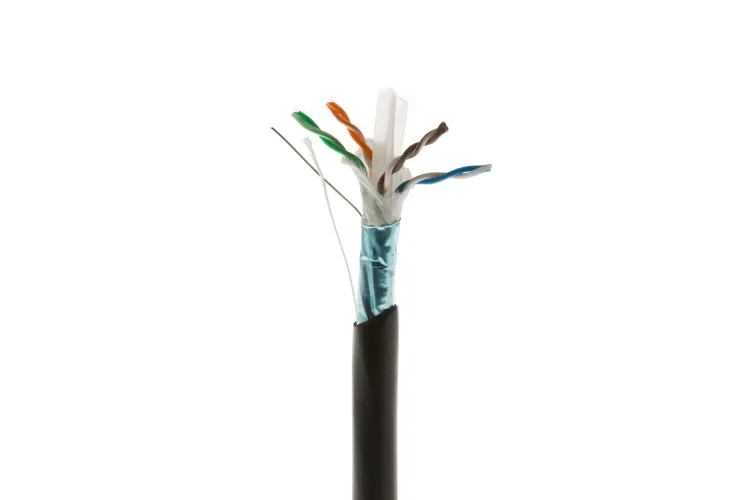
Use Outdoor STP Direct Burial Cable for connections between buildings or external enclosures in refinery yards. Its gel-filled interior and rugged PE jacket block moisture and withstand chemical exposure. The foil shielding protects signal integrity in environments with motors or pumps.

- For Fire-Safe Indoor Runs in Chemical Facilities
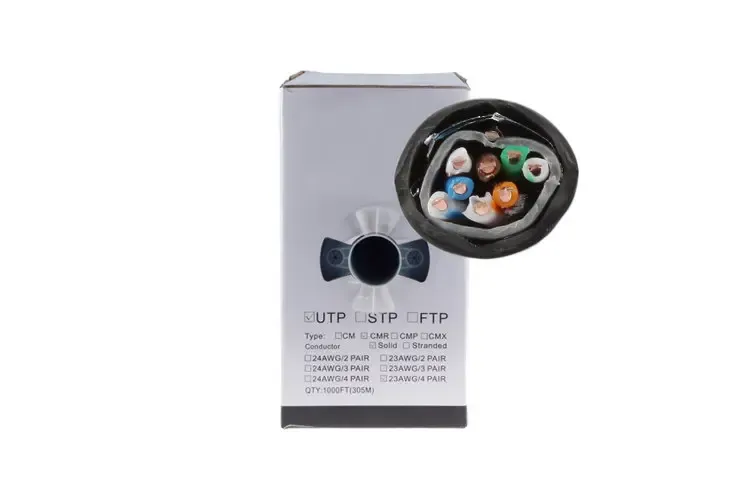
Install this CMP Plenum Cable in ducts or risers inside chemical plants. The CMP jacket meets building fire codes, and the cable supports 10G speeds with tight twist rates and strong insulation. It remains stable near electrical gear or chemical vapors.
- For Noise-Prone Chemical Labs and Panels
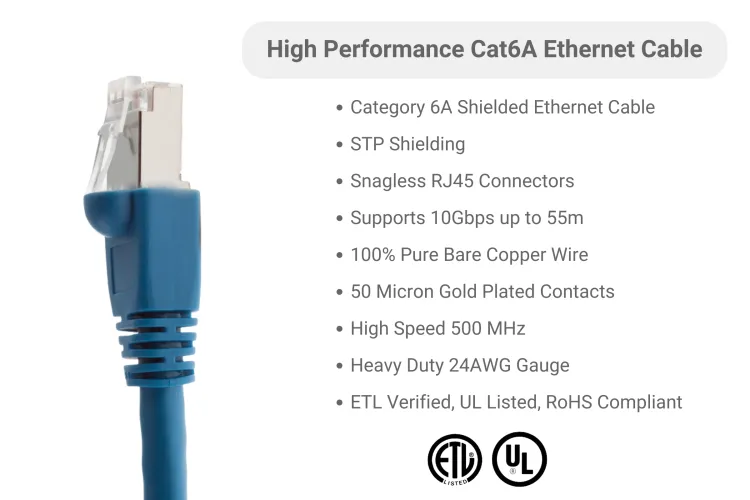
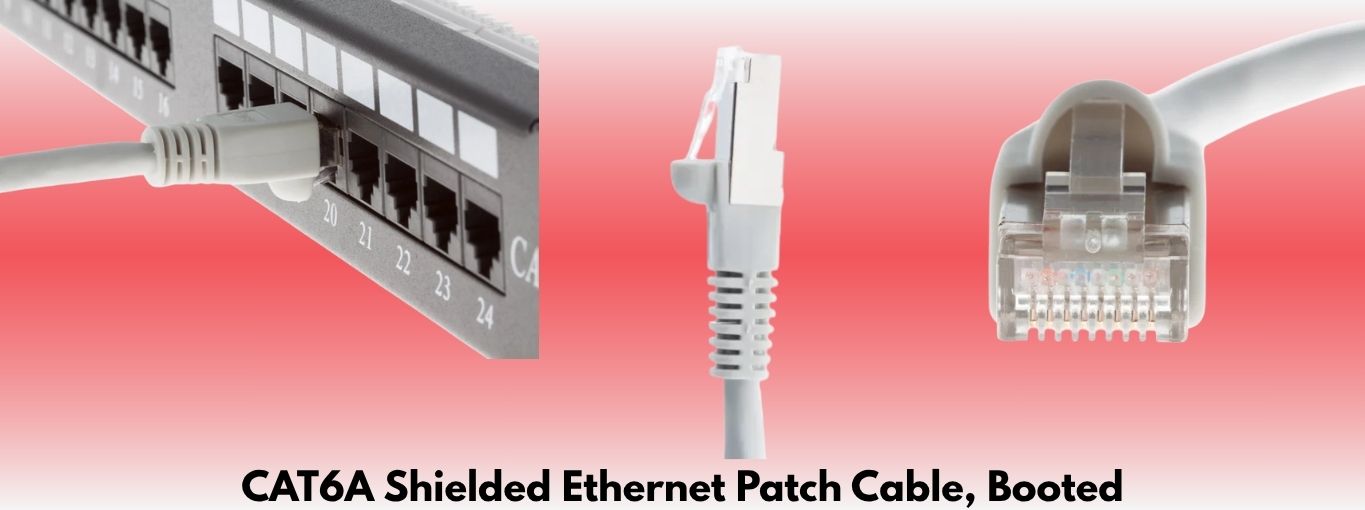
Use Shielded Boot Cable to connect sensitive devices or test panels in labs and control rooms. The full shielding blocks EMI, while the jacket resists chemical splashes. It offers stable performance near noisy or reactive equipment.
- For Budget-Critical Yet Compliant Installs
This Outdoor STP Burial Cable is a cost-effective solution for outdoor runs. It features a shielded twisted pair and a rugged jacket to handle weather, oil, and light chemical exposure. It is RoHS compliant and ETL verified for safety.
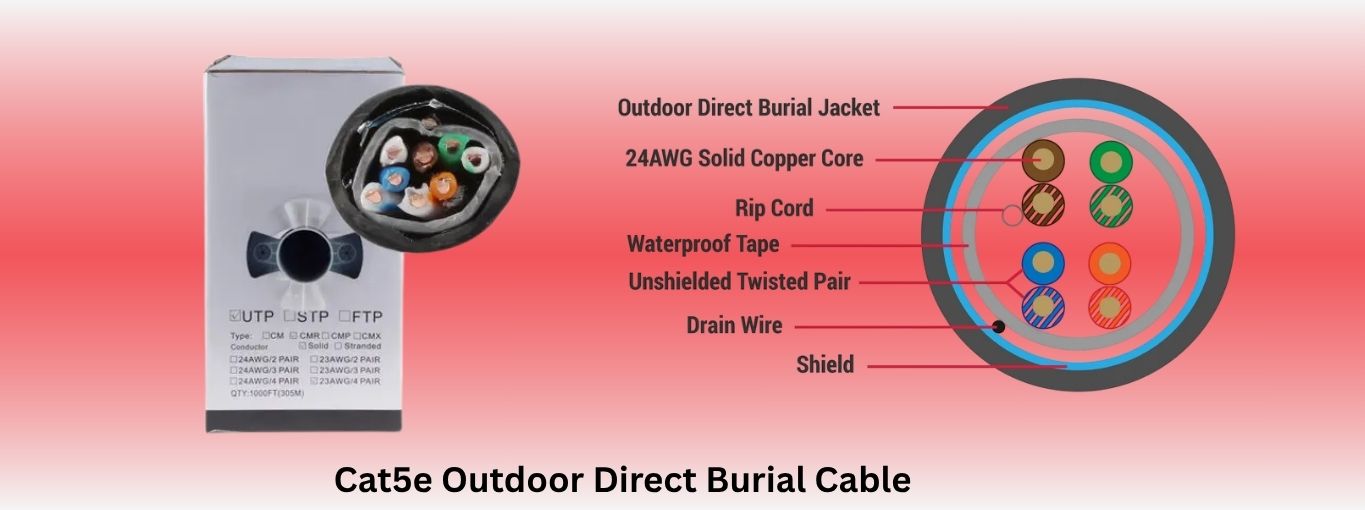
These selections reflect what smart deployment teams already look for: oil-blocking builds, chemical-tolerant jackets, and shielding that holds in real-world loads. CablesAndKits simply happens to carry cables that meet those expectations without the markup or fluff.
Matching the cable to the threat environment ensures long-term performance and safety.
Conclusion: Chemical Resilience is a Design Decision
In chemically harsh environments, cable failure does not always appear immediately. Instead, performance degrades slowly. This leads to downtime, poor signal, or device failures.
Choosing the right oil and chemical resistant Ethernet cable means more than withstanding spills. It’s about anticipating long-term degradation, shielding from corrosive vapors, and staying compliant in zones where failure isn’t an option. That’s why technical teams rely on shielded, gel-filled, and flame-rated cables. These are the same high-quality builds that CablesAndKits focuses on in their catalog.
Remember, don’t just settle for minimum specs. Choose what seasoned pros reach for every time.
Additional Learning Center Resources
- Choosing the Right Ethernet Cable Category: Cat5e vs Cat6 vs Cat6a vs Cat7 vs Cat8
- Say Goodbye to Slow Networks: Top Ethernet Cables for Ultimate Industrial Connectivity
- What Is a Cat6 Ethernet Cable? Unraveling the Basics of High-Speed Networking
- From Installation to Optimization: The Complete Data Center Cabling Guide
- What is a Direct Attach Copper (DAC) Cable? Common Types And Uses
- Transceiver vs Transmitter – Which One is Right for Your Communication Needs?