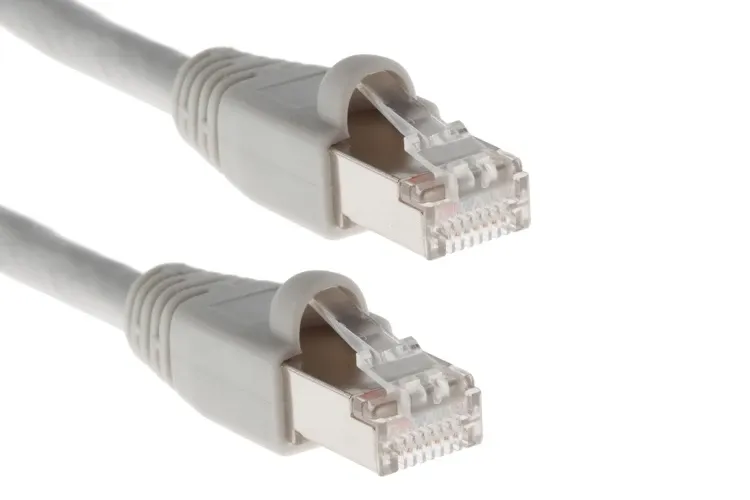
Despite the rise of wireless, enterprise IT still invests heavily in Ethernet networks. According to Maximize Market Research, global demand for Ethernet infrastructure keeps growing steadily, with an average yearly growth of about 13.5%.
Back in 2023, the Ethernet cable market was worth around US$14.3 billion, and by 2030, it’s expected to reach close to US$34.7 billion. This steady rise shows just how many organisations still trust wired systems when performance, signal stability, and speed matter.
From VoIP phones and PoE cameras to core switches and access points, most business networks rely on steady data flow and minimal signal noise. That’s why Ethernet remains the first choice. It keeps delivering dependable performance where wireless can’t always compete, especially in demanding, carefully managed setups.
This insider guide shows how to choose the best Ethernet cables for business, based on real deployment realities, not generic specs or marketing claims.
Why Businesses Still Depend on Wired
Most business networks do far more than stream web pages. They power surveillance systems, cloud sync, VoIP phones, remote desktops, and enterprise-grade switches – all at the same time.
Unlike residential setups, commercial networks demand scalable speed, clear signal quality, and PoE (Power over Ethernet) support that won’t fail under load.
What happens if cables aren’t up to it? VoIP calls drop, remote logins lag, surveillance feeds glitch, and IT support queues swell overnight.
Remember: Future-Proof Networks start with cable that matches demand, layout, and local conditions. Stability and clean throughput always come from the physical layer first.
Cat6 vs Cat7 for Business: What’s the Right Fit?
Picking between Cat6 and Cat7 is not just a technical decision. It depends on the length of your runs, the type of data flowing through them, and the level of EMI interference in your environment.
Cat6 works for most office runs. It supports gigabit speeds across full 100m runs, and can handle 10 Gbps on shorter links. It bends easily, slots into standard RJ45 ports, and installs without fuss. For workstations, IP phones, and AP drops, it’s budget-friendly and dependable.
Need more reach or powering devices with PoE? Cat6a is built for it. It uses extra shielding and thicker copper to maintain speeds across the full run, which is essential when carrying PoE and data on the same line. Less heat buildup, lower signal loss. If your layout covers long corridors, large floors, or multi-level drops, Cat6a is your upgrade path without major rework later.
Cat7 isn’t built for everyday offices. It’s designed for environments with serious EMI – think industrial sites, near heavy machinery, or high-voltage control panels. But Cat7 can be rigid and may require non-standard connectors, adding installation headaches. Unless you’re wiring near motors or generators, it’s often overkill for standard offices.
Smart takeaway? Cat6 suits short, clean office runs. Cat6a handles longer distances and PoE loads without signal loss. For areas with electrical interference, Cat7 adds shielding, but often more complexity.
For 90% of commercial builds, Cat6a strikes the balance. It’s office-grade, scalable, and keeps your data infrastructure planning flexible without overcomplicating the install.
Cable Construction: The Details That Matter
Teams often overlook cable material and shielding, but that’s where many long-term issues begin.
- Pure Copper vs CCA (Copper-Clad Aluminum)
Cheap patch cords often use CCA (Copper-Clad Aluminum). On paper, they pass basic tests. In practice? They overheat faster, drop voltage under PoE loads, and degrade faster with repeated bends.
That’s why CablesAndKits uses pure copper across all business-grade lines. It has lower resistance, better conductivity, and keeps voltage consistent. If you’re powering cameras, phones, or access points, always choose pure copper. It’s the backbone of business-grade cabling, saving you from unexpected dropouts or replacement runs.
- Shielding: Where It Counts
Unshielded Twisted Pair (UTP) is suitable for areas with minimal interference, such as open-plan offices with well-organised cable pathways.
By contrast, STP or S/FTP (Shielded) cable is a better choice near sources of high electromagnetic interference like HVAC units, elevator shafts, or dense server racks where multiple cables run close together.
Good shielding protects your signal so your gigabit or 10 Gbps link performs as promised. If you skip shielding where it’s needed, your Cat6a can perform no better than basic Cat5e.
When to Use Which? Practical Picks
Choosing the right type for the right job prevents signal loss and unexpected failures.
- For Structured Office Runs:
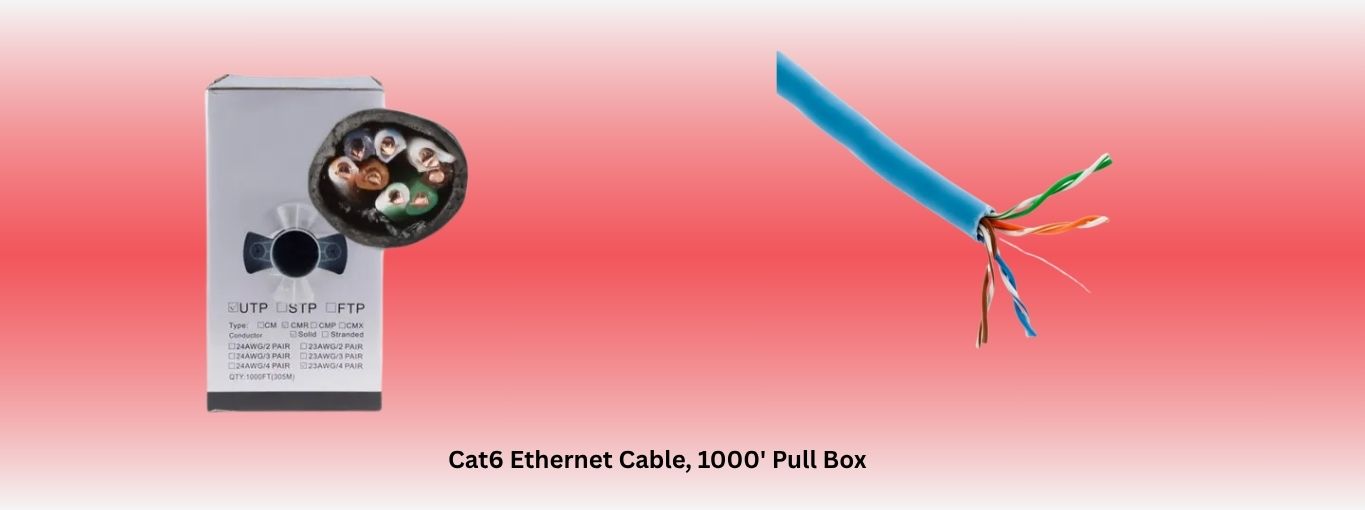
Bulk Cat6 UTP is the workhorse for structured wiring. It runs cleanly from patch panels through ceiling drops to wall jacks. It delivers reliable 1 Gbps and supports short 10 Gbps runs when needed.
The UTP format keeps costs low without risking signal loss in clean office spaces. When interference is minimal, you do not need to pay extra for shielding.
For large deployments where consistency and budget matter, bulk Cat6 UTP keeps performance steady without overspending.
- For High-Speed Backbone Runs with EMI Protection
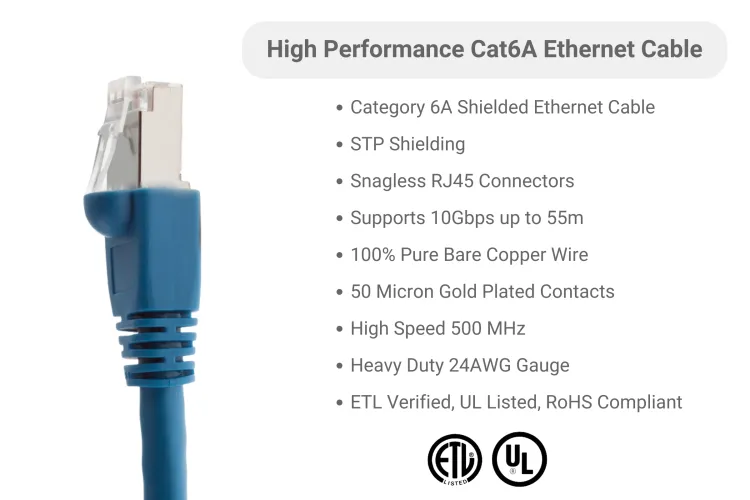
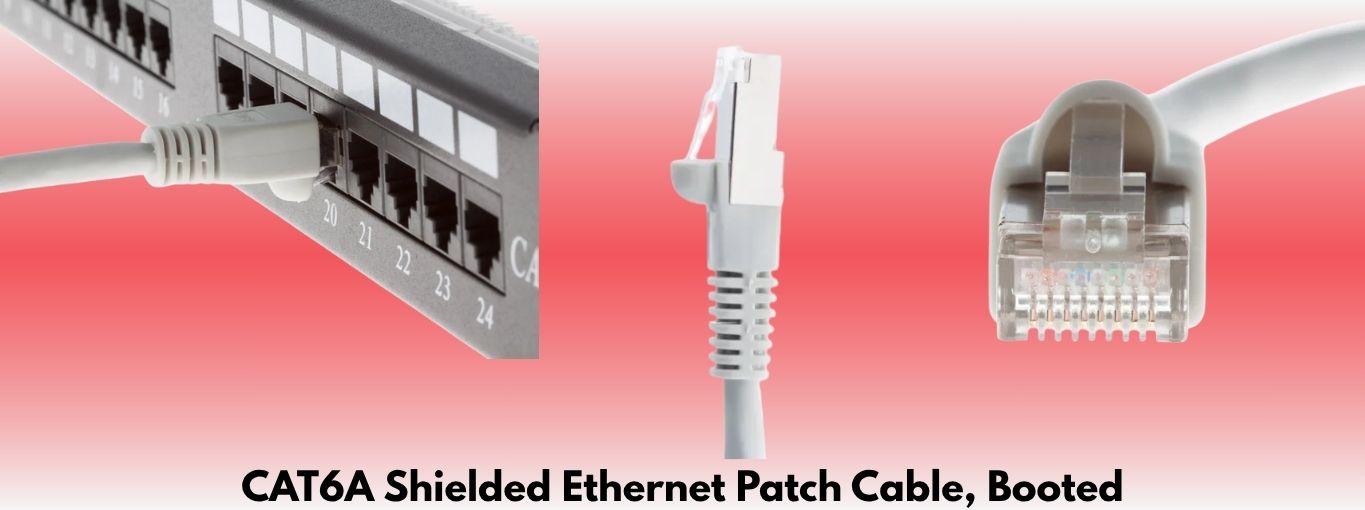
Shielded Cat6A works well for longer horizontal runs and backbone links. It is a solid option for linking an IDF to an MDF or running cables past HVAC ducts, wiring closets, or elevator shafts. The shielding blocks noise while delivering full 10 Gbps speeds and powering remote PoE devices.
When cables cross high-interference areas or need to power remote devices, this shielding keeps signals clean.
- For Critical Short-Run Device Connectivity
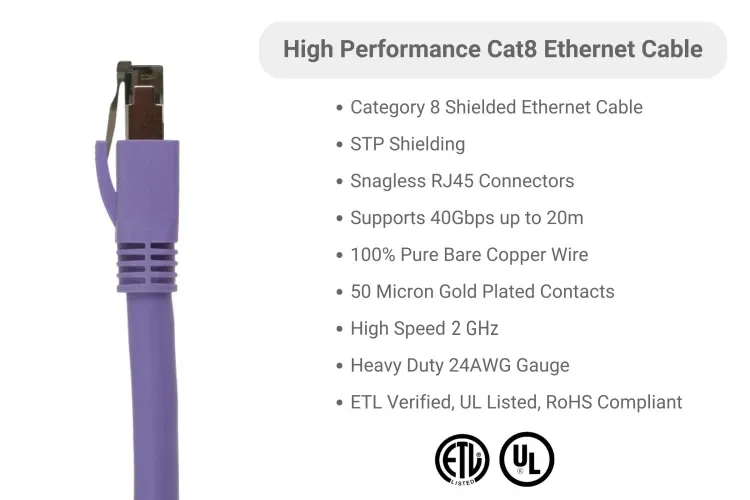
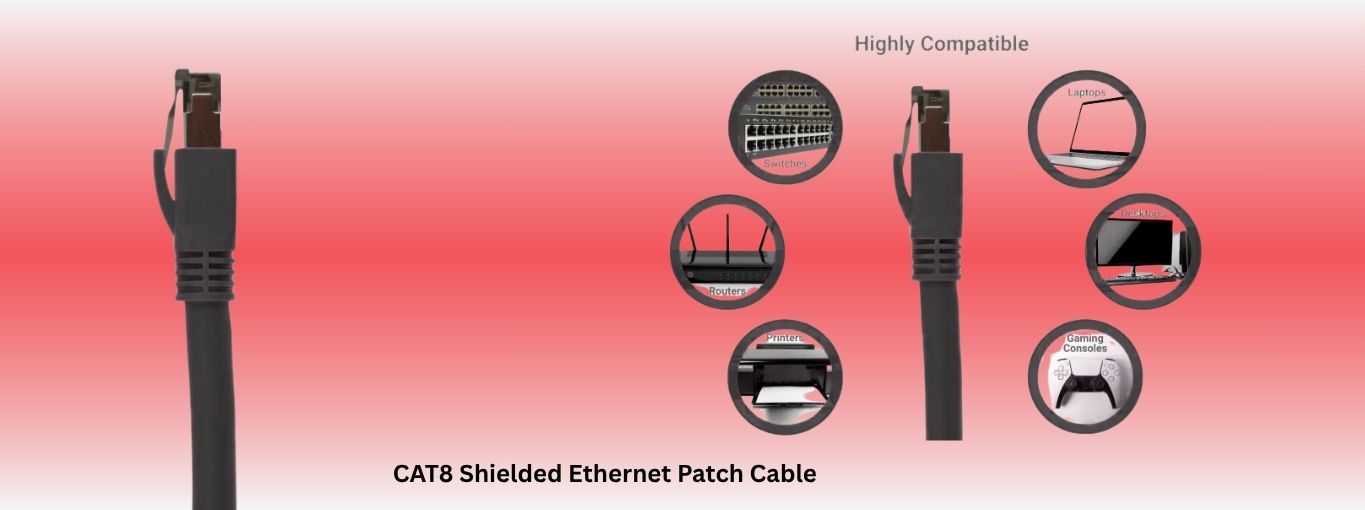
For short but sensitive connections like a firewall to a modem or a VoIP trunk to a gateway, Cat8’s strong shielding adds peace of mind.
It works well in server racks or behind wall-mounted security panels. It links high-end switches or critical devices without unwanted noise.
Short, shielded runs like these reduce clutter while preserving clean, high-performance workspaces.
- For Flexible, Mixed-Use Installations
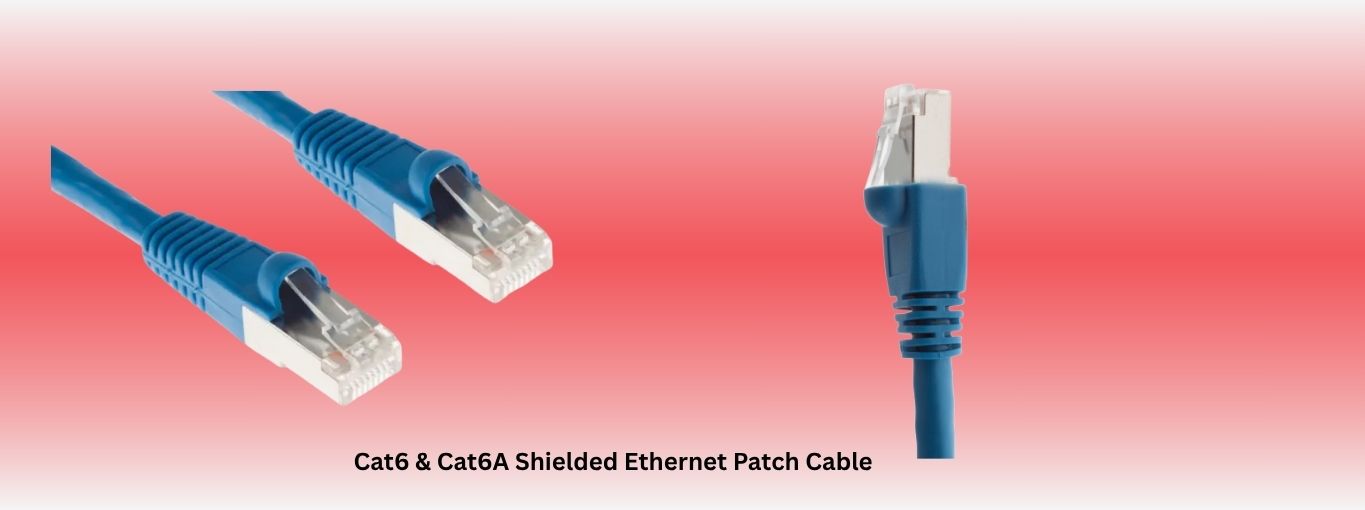
If you are expanding across old and new equipment, a Cat6-6A combo cable covers both standards. It comes with clear labeling and color coding for easier management.
For networks that grow in phases, this hybrid option prevents mismatches and makes future upgrades simpler.
- For Enterprise-Level Data Loads and Backbone Hubs
Cat8 is not needed for everyday desktops but works perfectly for core switch links, virtualization clusters, or 4K data streams. It can handle up to 40 Gbps over short distances with strong shielding.
When you need constant, high-speed throughput, Cat8 is a quiet powerhouse where bandwidth bottlenecks simply aren’t tolerated.
Remember: Understanding the difference between UTP, STP, and shielding options is critical. Choose based on interference level, length, and device sensitivity to avoid signal integrity issues.
Cable Certification & Compliance for Commercial Use
Not all Ethernet cables meet commercial safety codes. Certifications like UL (fire safety), ETL (independent testing), and RoHS (no hazardous materials) are non-negotiables in offices.
If your building has insurance requirements or must pass regular safety audits, using uncertified cables can lead to rejections, fines, or worse. In the event of an electrical fault, uncertified cabling can create liability issues.
That’s why more businesses today rely on CablesAndKits certified cabling to stay compliant, avoid unnecessary risks, and keep inspections stress-free.
Certified Ethernet isn’t a luxury; it’s the silent backbone your whole business depends on. Build it right, and you won’t have to think about it again.
One Last Tip: Cheap Cabling Isn’t Cheap
Cabling is easy to overlook because it’s hidden. But when it fails, your entire network fails. Fixing it later means pulling ceiling tiles, rerunning cable, and paying for extra downtime. These costs far outweigh saving a few pence per metre.
Smart IT managers know the right building material for any network is the cable itself. Get it wrong and no switch, firewall, or software will fix the bottlenecks. That’s why so many trust CablesAndKits to get it right from the start.
Additional Learning Center Resources
- Choosing the Right Ethernet Cable Category: Cat5e vs Cat6 vs Cat6a vs Cat7 vs Cat8
- Say Goodbye to Slow Networks: Top Ethernet Cables for Ultimate Industrial Connectivity
- What Is a Cat6 Ethernet Cable? Unraveling the Basics of High-Speed Networking
- From Installation to Optimization: The Complete Data Center Cabling Guide
- What is a Direct Attach Copper (DAC) Cable? Common Types And Uses
- Transceiver vs Transmitter – Which One is Right for Your Communication Needs?