


As 2026 approaches, network expectations continue to rise. AI-driven applications, higher device density, cloud-first strategies, and evolving security threats are pushing legacy infrastructure to its limits.
If your network hasn’t been reviewed in a while, now is the time. This 2026 Network Refresh Checklist will help you identify performance gaps, reduce risk, and make strategic upgrades that keep your business fast, secure, and scalable.
1. Review Switch Performance & Lifecycle
Are your switches built for today’s traffic – and tomorrow’s growth?
Aging switches can slow performance, limit bandwidth, and lack the visibility and security modern networks require. If your hardware is nearing end-of-life or end-of-support, a refresh can significantly improve reliability and efficiency.
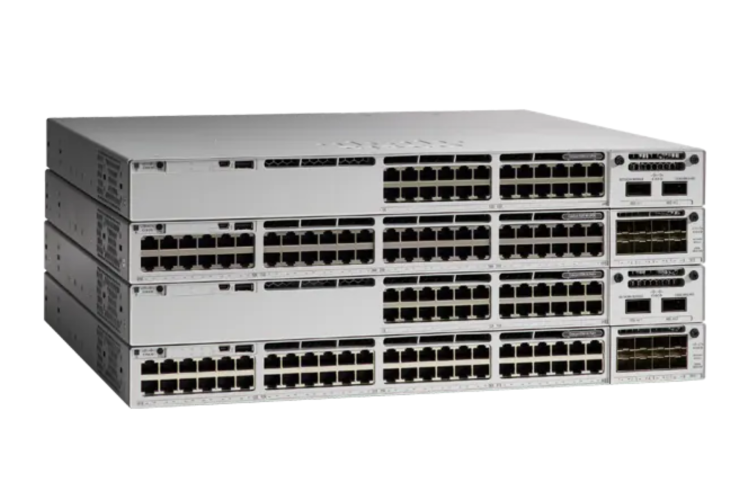
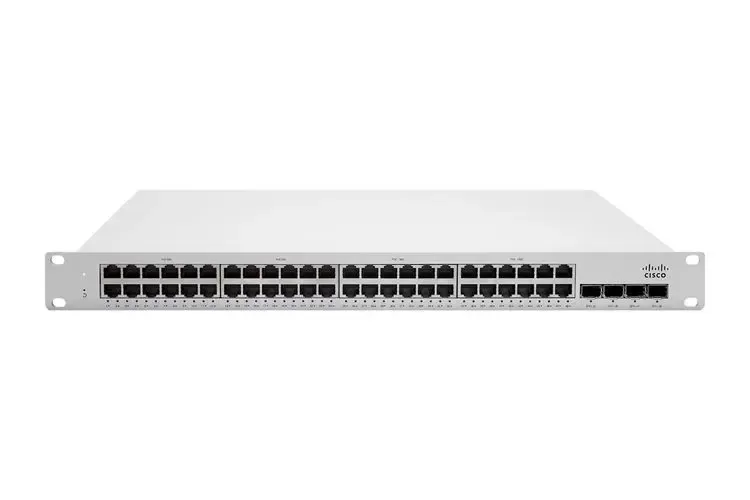
Popular 2026-ready switch options include:
- Cisco Catalyst 9200 & 9300 Series – Enterprise-grade switching with advanced security and automation
- Meraki MS225 & MS250 Series – Cloud-managed switches designed for scalability and simplified management
Modern switches help future-proof your network while reducing operational headaches.
2. Validate Transceiver & Uplink Capacity
Higher speeds demand the right optics.
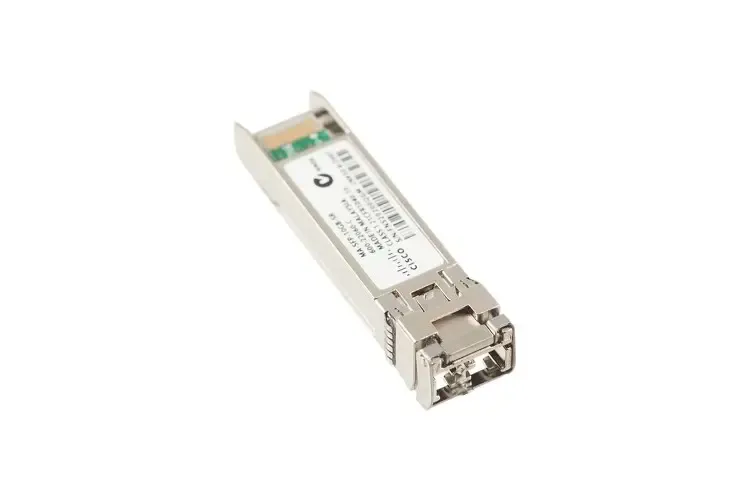
As organizations move toward 10G, 25G, 40G, and even higher uplinks, ensuring your transceivers are compatible and properly sized is critical. The wrong optic can limit performance or cause avoidable downtime.
Best practices for 2026 include:
- Aligning transceivers with switch and router capabilities
- Planning uplinks for higher throughput and future expansion
- Standardizing optics to simplify inventory and support
A proactive transceiver review ensures efficient scaling and consistent performance.
3. Evaluate Cabling Health & Future Readiness
Your cabling foundation matters more than ever.
Outdated or worn cabling can introduce errors, reduce speeds, and prevent you from taking advantage of newer technologies. Refreshing cabling improves reliability today and prepares your network for what’s next.
Recommended cabling for modern networks:
- Copper Ethernet: Cat6, Cat6A, Cat8
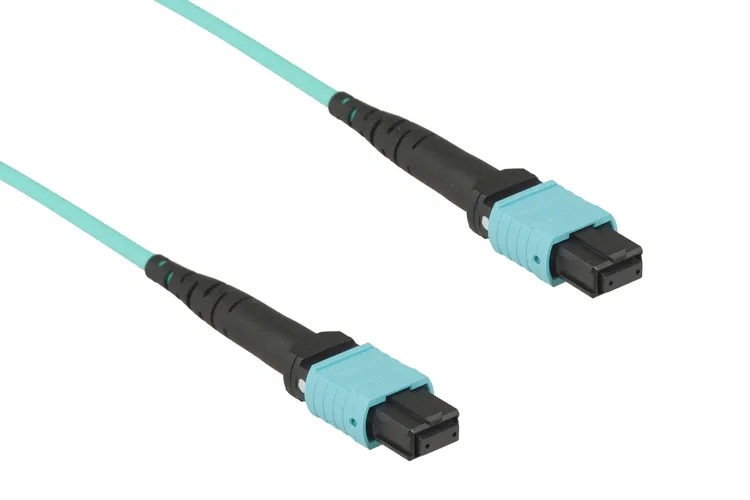
- Fiber: OM3, OM4, OM5
- High-Density Connectivity: DACs (Direct Attach Cables) and AOCs (Active Optical Cables)
Upgraded cabling supports higher bandwidth, cleaner signals, and long-term scalability.
4. Reassess Power, Redundancy & Uptime
Power remains one of the most overlooked risks in network infrastructure.
Aging power cords or insufficient redundancy can lead to unexpected outages. Reviewing your power setup ensures stable performance and safer operation.
Key power considerations:
- Replacing aging or damaged power cords
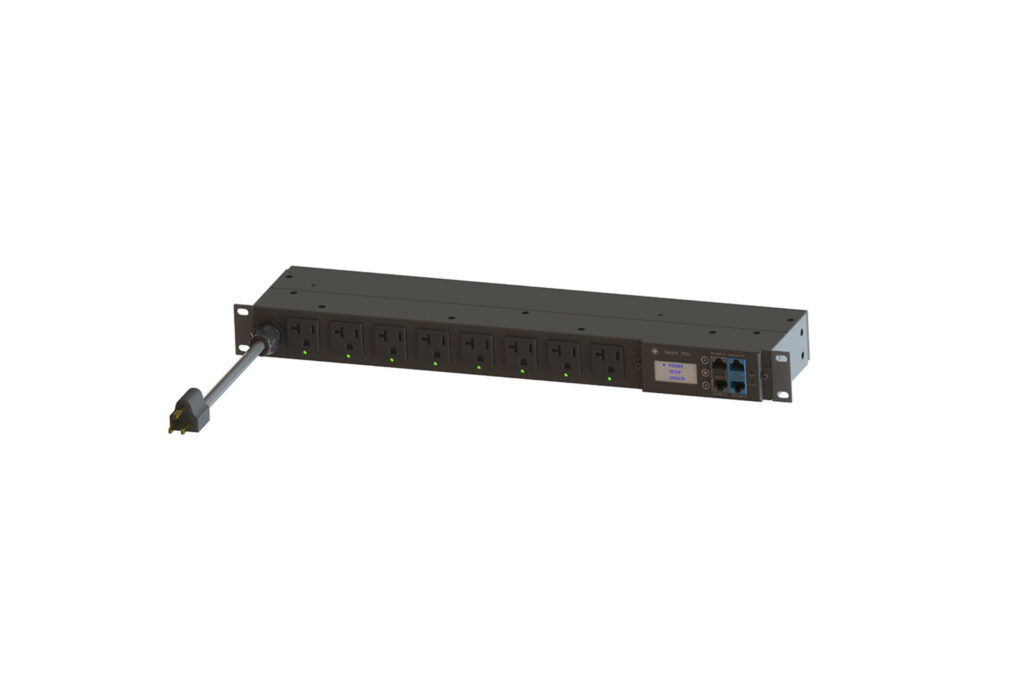
- Adding or upgrading PDUs (Power Distribution Units)
- Implementing redundant power paths for critical equipment
Consistent power helps protect both your network and your business.
5. Clean Up, Label & Optimize the Rack
A well-organized rack is easier to manage — and easier to scale.
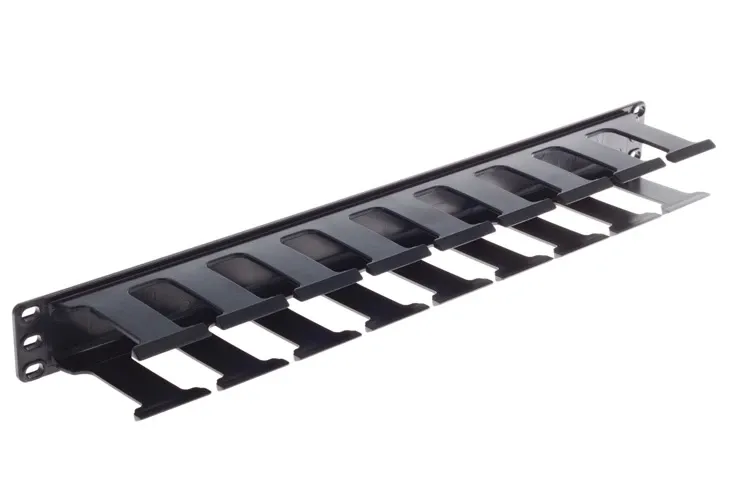
Poor cable management restricts airflow, complicates troubleshooting, and increases the risk of human error. A rack refresh improves efficiency and reduces long-term maintenance time.
Focus areas include:
- Structured cable management solutions
- Clear and consistent cable labeling
- Improved airflow and easier access to equipment
Small organization improvements can deliver big operational benefits.
6. Upgrade Wireless for Modern Workloads
Wireless expectations in 2026 are higher than ever.
With more mobile devices, IoT, and collaboration tools on the network, legacy wireless infrastructure struggles to keep up. If you’re still running WiFi 5, performance limitations are inevitable.
Recommended upgrade path:
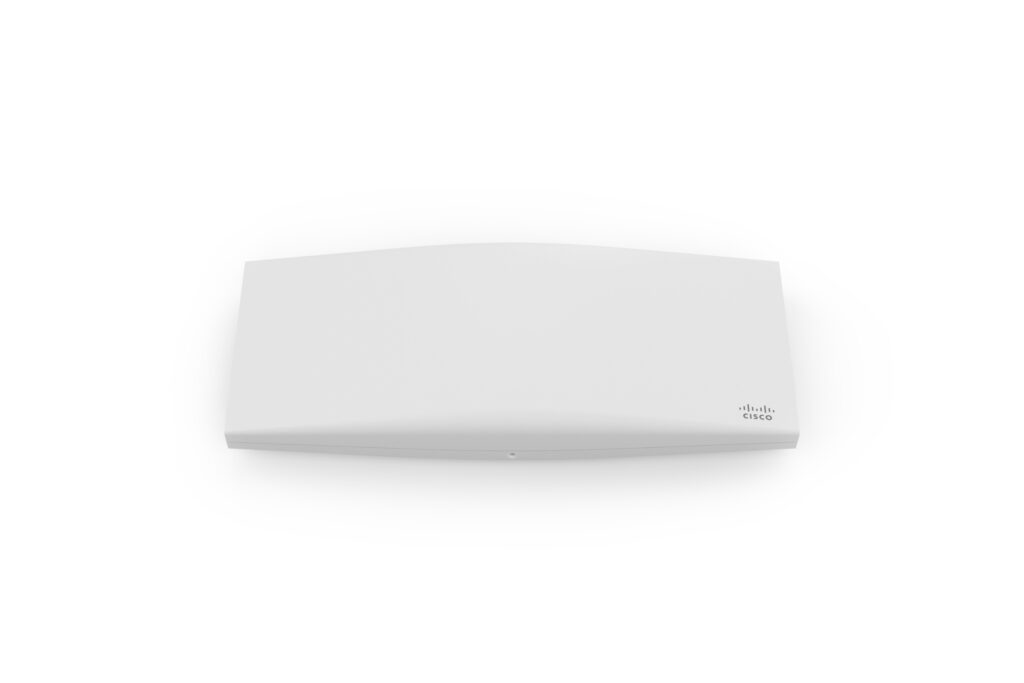
- WiFi 5 → WiFi 6 Access Points
WiFi 6 delivers higher throughput, better device density handling, and more consistent performance across your environment.
7. Strengthen Network Security for Emerging Threats
Security threats are evolving — and networks must evolve with them.
Outdated security hardware may lack the processing power and updates needed to defend against modern attacks. A 2026 security review helps protect users, data, and uptime.
Security refresh checklist:
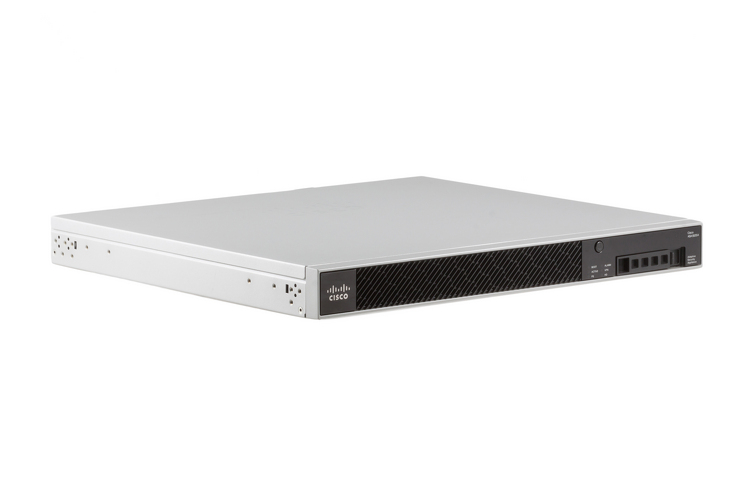
- Review firewalls and network security appliances
- Identify unsupported or end-of-life devices
- Ensure visibility, segmentation, and access control are up to date
A stronger security posture reduces risk and supports compliance requirements.

Final Takeaway: Build a Network That’s Ready for 2026 and Beyond
A successful network refresh isn’t about replacing everything – it’s about making smart, strategic upgrades where they matter most.
By evaluating switches, transceivers, cabling, power, rack organization, wireless, and security, you position your network to handle what 2026, and the years beyond, will demand.
At CablesAndKits, we help organizations extend, optimize, and modernize their networks with trusted equipment, quality cabling, and expert support – without the premium price tag.
Ready to start your 2026 network refresh? We’re here to help.
You may also like:
- Guide To Preventing Outages and Keeping Critical Systems Online
- Is Your Network Ready for 2026? The Ultimate Infrastructure Refresh Checklist
- New Year, New Network: The Top 10 Items to Modernize Your Network in 2026
- Power Cord for Canon Image Class MF753Cdw Printer
- Guide to Troubleshooting Common Ethernet Cable Issues