Power cords and cables are essential components in our daily lives. They power everything from household appliances to complex industrial machinery. Understanding their various types, applications, and safety considerations can help you choose the right product for your needs. This comprehensive guide will cover everything you need to know about power cords and cables.
What Are Power Cords and Cables?
Power cords and cables are electrical conductors designed to transfer electrical power from a source to an electrical device. They come in various configurations, materials, and specifications to suit different applications, from small household gadgets to heavy-duty industrial equipment.
Types of Power Cords and Cables
AC Power Cords
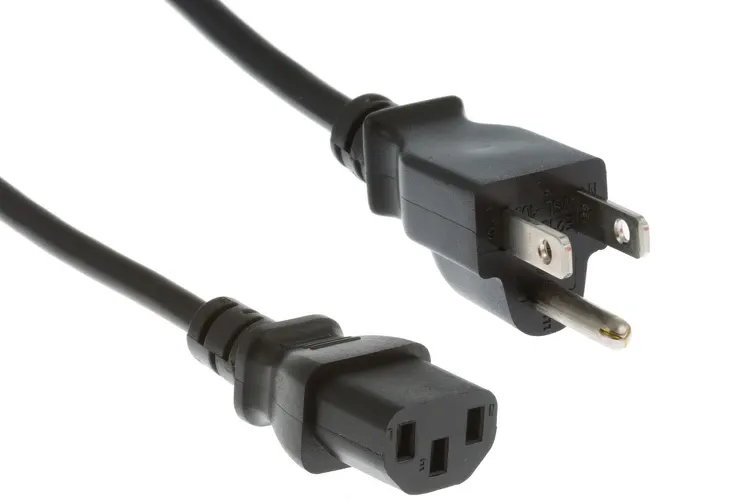
People commonly use AC (Alternating Current) power cords to connect devices to wall outlets. Most homes and offices have them. They connect electronics like computers, TVs, and kitchen appliances. They are essential for daily use.
Types of AC Power Cords:
- NEMA Cords: Used primarily in North America, these cords follow standards set by the National Electrical Manufacturers Association (NEMA).
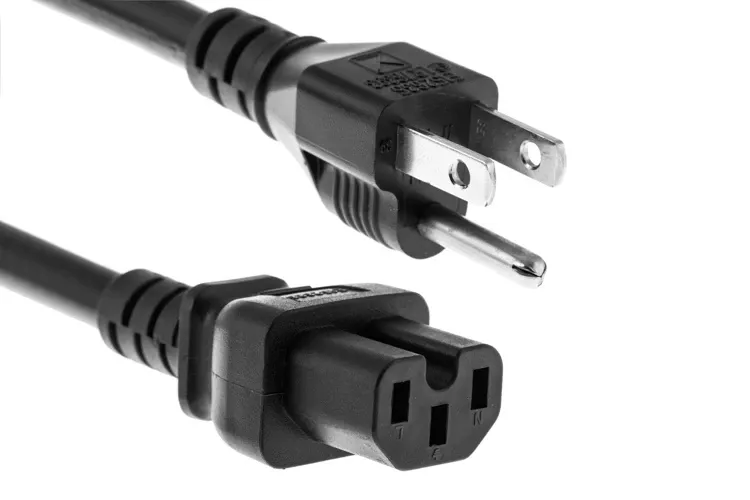
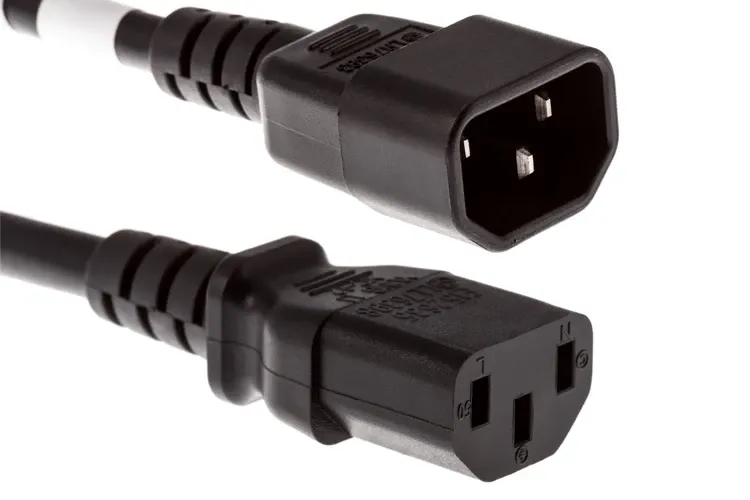
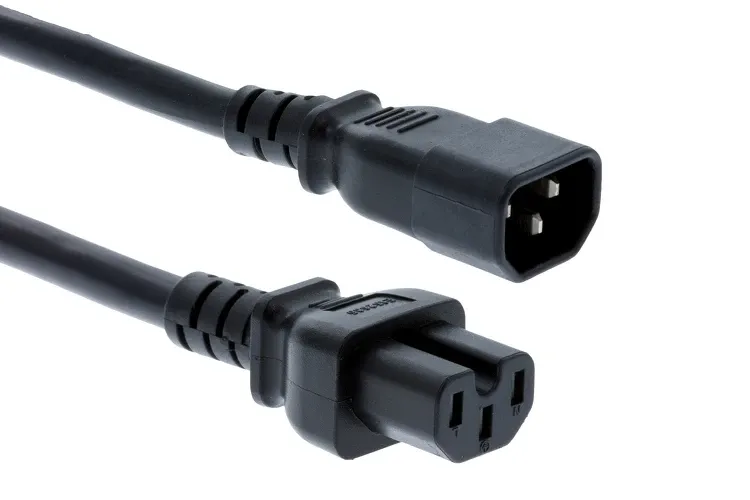
- IEC Cords: Internationally used, these cords comply with standards set by the International Electrotechnical Commission (IEC).
DC Power Cords
People commonly use DC power cords for low-voltage applications, such as in cars and battery-operated devices. They are crucial for ensuring consistent power delivery in devices like laptops, cameras, and portable electronics.
Extension Cords
Extension cords provide additional length to power cords, making it possible to power devices farther from the power source. They are available in various lengths and capacities and are suitable for both indoor and outdoor use.
Materials and Construction
Conductors
Power cords and cables have conductors made of copper or aluminum that carry electrical current. People favor copper for its excellent conductivity and flexibility, while they prefer aluminum for being lighter and less expensive.
Insulation
Insulation surrounds the conductors, providing protection and preventing electrical shocks. Common insulation materials include PVC (Polyvinyl Chloride), rubber, and TPE (Thermoplastic Elastomer), each offering different levels of flexibility, durability, and temperature resistance.
Shielding
Shielding in power cords and cables helps reduce electromagnetic interference (EMI) and radio frequency interference (RFI), ensuring stable performance. This is particularly important in environments with multiple electronic devices.
Safety Considerations
UL Certification
UL certification indicates that a power cord or cable has undergone safety testing and complies with standards. Always look for UL certification to ensure the product’s reliability.
Amperage and Voltage Ratings
Understanding the amperage and voltage ratings of power cords and cables is crucial. Using a cord with inadequate ratings can lead to overheating and potential fire hazards.
Proper Usage
Always use power cords and cables as intended. Don’t overload them. Make sure they’re right for the environment, like outdoors or in factories where they might face tough conditions.
Choosing the Right Power Cord or Cable
Identify Your Needs
Determine the type of device and its power requirements. Check the plug type, voltage, and amperage to ensure compatibility.
Length and Gauge
Select the appropriate length to avoid excessive slack or tension. The thickness of the cord determines how much power it can handle. Thicker cords are better for higher power needs.
Environmental Considerations
For outdoor use, choose cords that are weather-resistant and durable. In industrial settings, select cords that can withstand mechanical wear and tear.
Common Applications
Household
Power cords and cables are ubiquitous in homes, powering appliances, entertainment systems, and personal electronics. Ensuring you use high-quality, certified cords helps maintain safety and performance.
Commercial and Industrial
Commercial and industrial environments use power cords and cables for heavy machinery, computers, and communication systems. They must meet higher standards for durability and performance.
Specialty Applications
Certain applications require specific power cords. For example, healthcare equipment may need medical-grade cords. Outdoor events and construction sites may require durable cords.
Maintenance and Care
Regular Inspections
Periodically check your power cords and cables for signs of wear and tear, such as fraying or exposed wires. Replace damaged cords immediately to prevent electrical hazards.
Proper Storage
Store power cords properly to avoid kinks and tangles, which can damage the internal conductors. Use cord organizers or reels to keep them neat and untangled.
Conclusion
Power cords and cables are vital components in delivering electricity to a wide range of devices and applications. By understanding their types, materials, safety considerations, and proper usage, you can ensure reliable and safe electrical connections. Choosing the right power cords and cables is important for safety and performance, whether for home, commercial, or industrial use.
For more information on specific types of power cords and cables, or to find the right product for your needs, contact us today!
Additional Learning Center Resources